
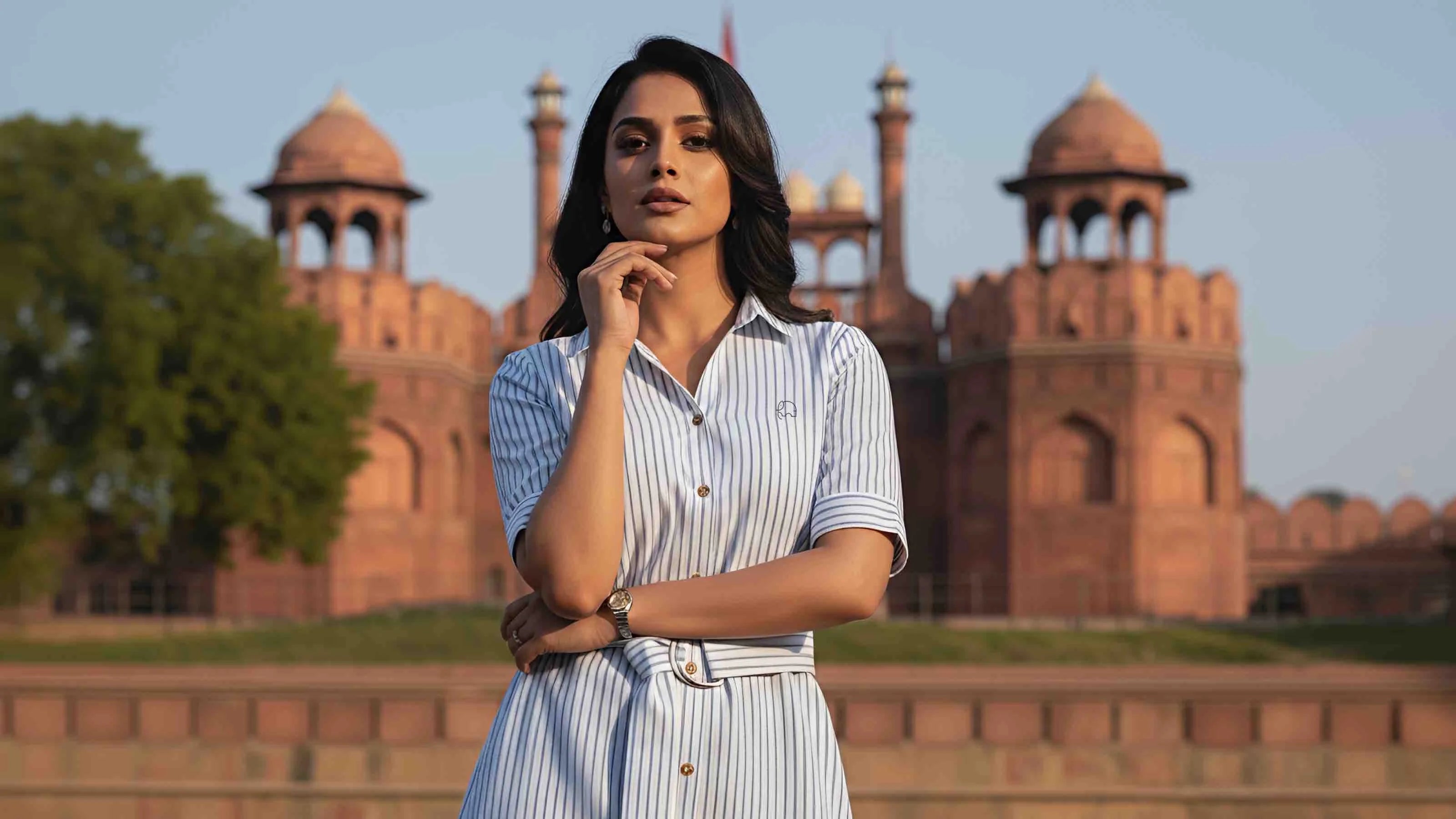
Threads of Change: India’s Sustainable Fashion Revolution Is Rewriting the Rules of Style
What if your most stylish item of clothing wasn't trendy, but instead had an interesting story associated with it?
Until very recently, fashion was a race to keep up with the latest trend. New collections hit the stores to coincide with seasonal changes, and the pace of these changes was increasing rapidly. But now, a silent revolution is changing how people in India are looking at their clothing options. An increasing number of consumers are starting to ask themselves: who produced my clothes? What do they contain? And what is their effect on the environment?
The answers to these questions are shaping a new era of fashion, one that values quality over quantity, purpose over impulse, and timeless style over short-lived trends.
At the heart of this movement is the rise of the sustainable fashion brand India is increasingly becoming known for, where thoughtful design meets ethical responsibility. And one such notable brand is Karee Clothing.

In this blog, Let’s get more into how India’s sustainable fashion revolution is rewriting the rules of style.
A Fashion Revolution Rooted in Tradition
What people are referring to as "sustainable fashion" today in most of the western world has been an integral aspect of India's culture for centuries.
Before mass production of clothing took over the global marketplace, Indian communities were practicing slow and deliberate styles of dress. This included carefully crafting clothes, taking care of fabrics and often handing down garments to future generations.
Handwoven cotton, linen, natural dyes, and artisan craftsmanship were not niche concepts, they were simply a way of life.
As the world searches for sustainable solutions, India is rediscovering the wisdom that has always been part of its cultural fabric.
The Hidden Cost of Fast Fashion
A trendy outfit may look affordable on the price tag, but its true cost is often hidden.
Fast fashion has transformed the industry by producing large quantities of clothing at incredible speed. While this makes fashion more accessible, it also creates significant environmental and social challenges.
Millions of garments are discarded every year. Synthetic fabrics release microplastics into oceans and rivers. Excessive production consumes enormous amounts of water and energy. In many cases, workers behind the scenes receive little recognition or fair compensation for their labor.
Consumers are becoming increasingly aware of these realities, and many are deciding that fashion should not come at such a high cost.
The New Generation of Conscious Shoppers
Today's shoppers are different.
They don't just want stylish clothing, they want meaningful clothing.
Before making a purchase, many consumers now look beyond colors and silhouettes. They want transparency. They want to understand where their garments come from and how they are made.
This shift is especially visible among younger generations, who view fashion as an extension of their values. They are choosing brands that align with their beliefs about sustainability, ethics, and environmental responsibility.
The result is a growing demand for fashion that tells a story rather than simply follows a trend.
Why Natural Fabrics Are Winning Hearts Again
Step into any sustainable wardrobe and you'll notice a common theme: natural fabrics.
Cotton, linen, and other plant-based materials are making a strong comeback, and for good reason.
They feel comfortable against the skin, allow better airflow, and offer durability that often outlasts synthetic alternatives. They also have a smaller environmental footprint when sourced responsibly.
More importantly, natural fabrics age beautifully. Instead of losing their appeal after a few washes, they often become softer and more comfortable over time.
In a world increasingly focused on longevity, that matters.
The Return of Craftsmanship
Imagine owning a garment that carries the skill of an artisan, the heritage of a region, and the uniqueness of handcrafted work.
That is exactly what many sustainable fashion brands are offering today.
Across India, traditional crafts are experiencing a remarkable revival. Techniques such as hand weaving, block printing, embroidery, and natural dyeing are being celebrated once again.
These crafts do more than create beautiful clothing. They support artisan communities, preserve cultural traditions, and ensure that generations of knowledge are not lost.
Every handcrafted piece becomes more than just an item of clothing—it becomes a connection to India's rich textile heritage.
Fashion That Works as Hard as You Do
One of the most exciting developments in sustainable fashion is its growing influence on workwear.
Modern professionals no longer want wardrobes filled with uncomfortable outfits that are worn once and forgotten. They are looking for clothing that feels effortless, versatile, and polished.
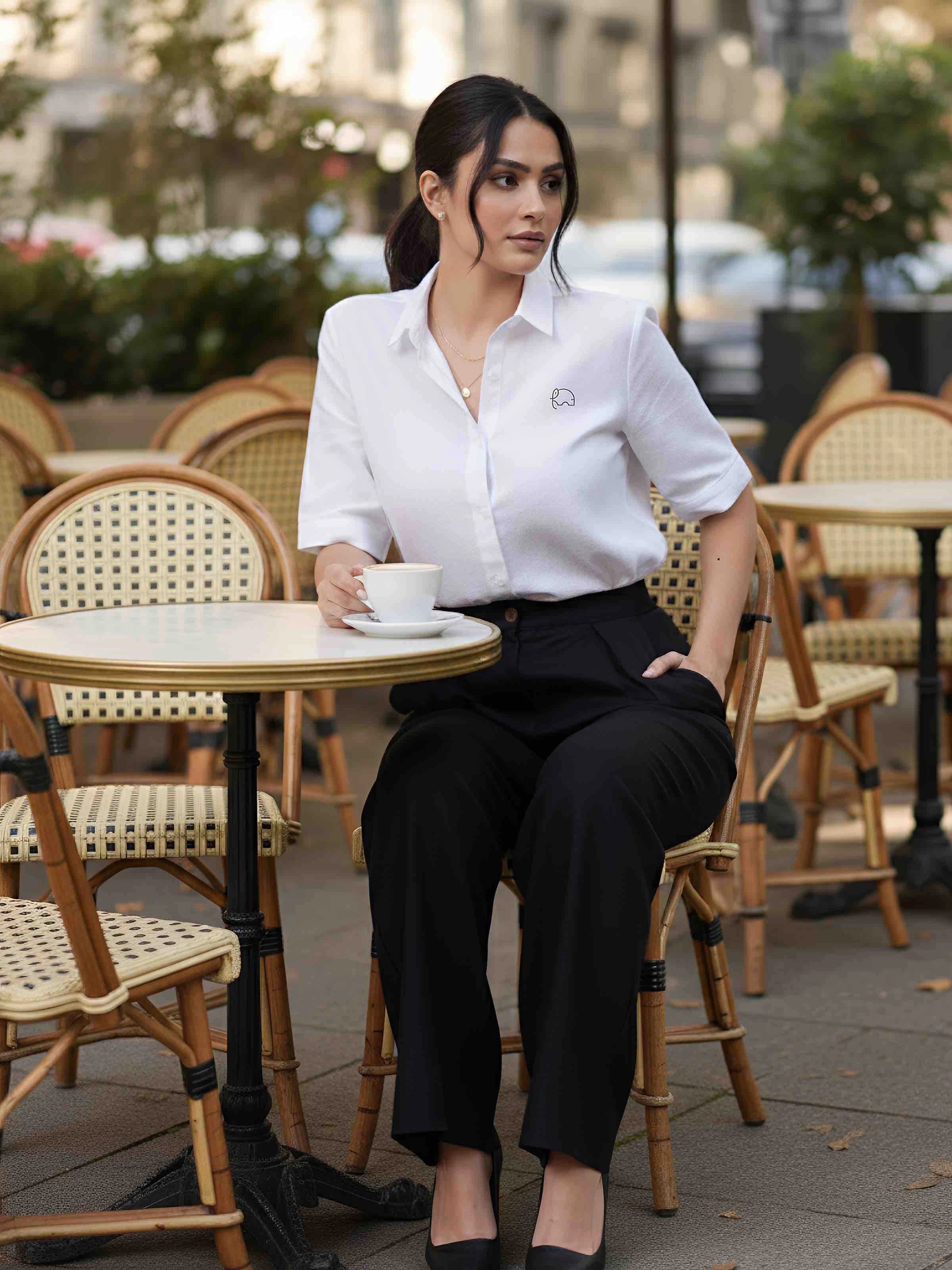
This is where sustainable women's office wear is making a significant impact.
Designed with comfort, functionality, and elegance in mind, these garments allow women to move confidently through meetings, presentations, and busy workdays without sacrificing style.
Neutral tones, breathable fabrics, and timeless silhouettes create pieces that remain relevant season after season. Instead of chasing every new trend, professionals are investing in wardrobes that work smarter and last longer.
Technology Is Helping Fashion Become Smarter
Sustainability isn't only about traditional craftsmanship. Technology is playing a crucial role as well.
Fashion brands are using innovative tools to reduce waste, improve inventory management, and make production processes more efficient. Better forecasting helps prevent overproduction, while responsible sourcing ensures greater accountability throughout the supply chain.
Consumers are also benefiting from increased transparency. They can now learn more about the journey of a garment, from raw material to finished product.
This combination of heritage and innovation is creating a future where fashion is both beautiful and responsible.
Small Choices, Big Impact
Many people assume sustainable fashion requires a complete lifestyle change. The reality is much simpler.
Every conscious choice contributes to positive change.
You can start by:
-
Choosing quality over quantity
-
Investing in versatile pieces
-
Supporting ethical brands
-
Taking better care of your clothes
-
Donating or repurposing garments instead of discarding them
These seemingly small actions collectively create a powerful impact.
Fashion is one of the few industries where consumers can directly influence change through everyday decisions.
The Future of Fashion Is Personal
Perhaps the most exciting aspect of India's sustainable fashion revolution is that it brings meaning back into getting dressed.
Instead of wearing clothes designed to be forgotten, people are choosing garments that reflect their values, personality, and lifestyle.
Fashion becomes less about keeping up and more about expressing who you are.
The movement is not asking people to sacrifice style. It is encouraging them to redefine it.
India's sustainable fashion revolution is more than an industry trend, it is a cultural shift. It represents a future where style, ethics, and environmental responsibility can coexist beautifully.
As consumers continue to embrace mindful choices, brands that prioritize quality, transparency, and craftsmanship will lead the way. The country’s deep-rooted textile heritage, combined with modern innovation, positions India as a powerful force in the global sustainability movement.
Choosing a trusted sustainable fashion brand in India such as Karee Clothing is a meaningful step toward a wardrobe that reflects both elegance and responsibility. Likewise, the rising popularity of sustainable office wear demonstrates that professional fashion can be sophisticated, comfortable, and conscious without compromise.

Written by Karee Clothing


Leave a comment
This site is protected by hCaptcha and the hCaptcha Privacy Policy and Terms of Service apply.