
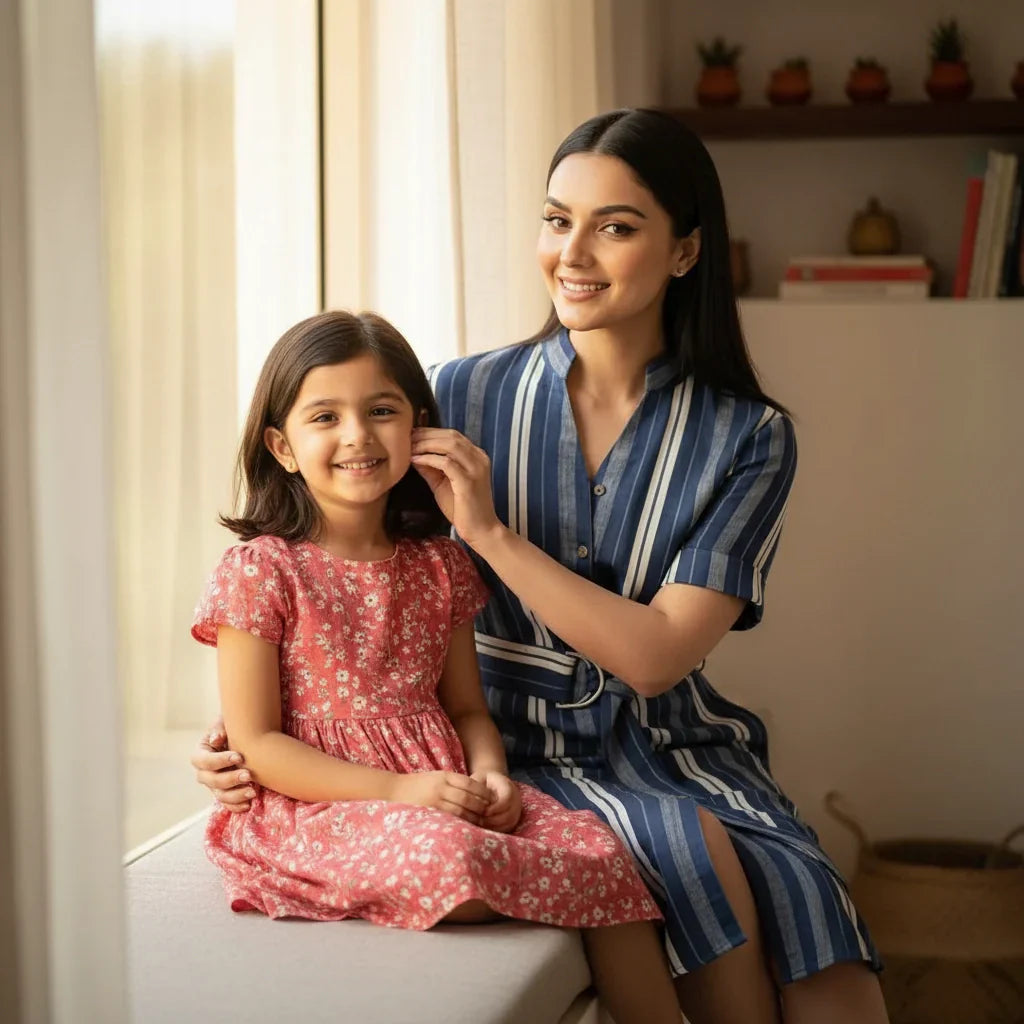
Mama, No!: Decoding Why Your Child’s Clothes Are Itchy
Every parent knows the struggle. You buy an adorable outfit for your child, carefully choosing colors and styles you think they will love. But the moment it’s time to wear it, the protests begin. “Mama, no!” Suddenly there are tears, scratching, tugging at collars, or complaints that the clothes feel “bad” or “itchy.”
For many parents in Mumbai and Bengaluru, this daily battle is becoming increasingly common. But what if these reactions are not tantrums at all? What if children are genuinely uncomfortable in the clothes they wear?
Modern parenting has shifted toward understanding sensory needs, skin health, and comfort-based fashion. As a result, more families are exploring Organic Kids Clothing that supports breathability, softness, and skin safety rather than simply focusing on trends. At the same time, the rise of sustainable dress wear reflects a growing movement among urban parents who value comfort, ethical production, and quality over quantity.
Children today are more expressive about discomfort than previous generations, and parents are finally listening.

It’s Not Just a Tantrum: Understanding Textile Dermatitis
Children have delicate skin that reacts quickly to harsh fabrics, synthetic dyes, rough stitching, and trapped sweat. Textile dermatitis is a form of skin irritation triggered by contact with certain clothing materials. Symptoms may include:
-
Itching
-
Redness
-
Rashes
-
Dry patches
-
Sensitivity around seams or tags
-
Excessive sweating discomfort
Many synthetic fabrics are designed for appearance rather than wearability. They may look stylish on a hanger but feel rough, hot, or restrictive on a child’s skin.
Young children are especially sensitive because their skin barrier is still developing. Tight elastics, poor-quality dyes, and non-breathable fabrics can quickly create irritation, particularly in humid climates like Mumbai or changing weather conditions like Bengaluru.
This is why many parents are beginning to prioritize soft, breathable, and natural fabrics that reduce sensory discomfort and improve everyday comfort.
The Rise of the “Skin-Breathability” Movement
Parents today are becoming far more conscious about what touches their child’s skin. Just as families carefully choose healthy foods and toxin-free skincare products, clothing is now receiving the same level of attention.
The “skin-breathability” movement is redefining children’s fashion in Indian metro cities. Instead of chasing fast-changing trends, parents are looking for clothes that support movement, airflow, and comfort throughout the day.
This shift is especially visible among urban families who are rejecting the fast-fashion “fast-frock” culture. Mass-produced kidswear often prioritizes low cost and trendy aesthetics over actual wearability.
In contrast, sensory-safe fabrics like linen and organic cotton are gaining popularity because they:
-
Allow better air circulation
-
Feel softer on sensitive skin
-
Reduce sweating and irritation
-
Support active movement
-
Last longer after multiple washes
-
Avoid harsh synthetic chemicals
Many Mumbai and Bengaluru parents now believe fewer high-quality clothes are better than wardrobes full of uncomfortable outfits children refuse to wear.
Why Mumbai’s Climate Makes Fabric Choice Important
Mumbai’s humid weather creates a unique challenge for children’s clothing. Constant sweating, sticky temperatures, and heavy moisture levels can make synthetic fabrics unbearable for kids.
When fabrics trap heat and sweat, children become restless and irritable. This discomfort often appears as mood swings, tantrums, or constant scratching.
Breathable materials such as linen and organic cotton help regulate body temperature more effectively. Lightweight fabrics allow airflow, keeping children cooler and more comfortable throughout the day.
Parents in Mumbai are increasingly choosing minimal, airy clothing designs that reduce overheating and support all-day wearability.
This growing preference has significantly increased awareness around Organic Kids Clothing among families looking for practical yet stylish wardrobe choices.
Bengaluru Parents Want Ethical and Outdoor-Ready Fashion
Unlike Mumbai’s coastal humidity, Bengaluru experiences milder temperatures and a strong outdoor culture. Families here often prioritize active lifestyles, nature-based activities, travel, and open play environments.
As a result, Bengaluru parents are looking for clothing that combines comfort, durability, and ethical values.
Children spend more time outdoors, which means fabrics must support movement without causing irritation. Parents are also paying closer attention to how clothes are made, choosing brands that focus on sustainability, ethical sourcing, and environmentally responsible production.
The idea of Sustainable kids wear India is particularly appealing to Bengaluru families because it aligns with their lifestyle choices. They want clothes that are:
-
Comfortable for long wear
-
Durable enough for outdoor play
-
Made from safer fabrics
-
Ethically produced
-
Environmentally responsible
-
Timeless instead of trend-driven
This reflects a larger shift away from disposable fashion toward thoughtful purchasing decisions.
The Hidden Problem with “Fast-Frock” Culture
Fast fashion has transformed children’s clothing into a cycle of constant buying and discarding. Cheap synthetic materials, trendy designs, and low-cost production dominate the market.
But many parents are beginning to notice the downsides:
-
Poor fabric quality
-
Skin irritation
-
Rapid wear and tear
-
Uncomfortable stitching
-
Excessive sweating
-
Lack of durability
Children are often the first to reject these clothes because they immediately feel the discomfort.
The “Mama, no!” reaction is sometimes a child’s honest response to clothing that simply does not feel good on their body.
Today’s parents are becoming more intentional about choosing timeless, versatile pieces that prioritize comfort and functionality instead of short-lived trends.
Why Natural Fabrics Matter for Sensory Comfort
Sensory comfort plays a major role in how children experience clothing. Some children are highly sensitive to texture, seams, tags, or tight fits.
Natural fabrics offer several sensory benefits:
Softer Texture
Organic fabrics are gentler against delicate skin.
Better Temperature Regulation
Breathable materials help children stay cool in warm climates.
Reduced Irritation
Natural fibers are less likely to trigger itching or rashes.
Easier Movement
Flexible, lightweight fabrics support active play.
Improved Emotional Comfort
Children are calmer and happier when physically comfortable.
This is one reason why more parents are moving toward Organic Kids Clothing that supports both physical and emotional wellbeing.
Quality Over Quantity: The New Parenting Mindset
Modern urban parents are no longer interested in overflowing wardrobes filled with disposable outfits. Instead, they are investing in fewer, better-quality pieces that children genuinely love wearing.
This “quality over quantity” mindset is reshaping the children’s fashion industry across India.
Parents now ask important questions before purchasing:
-
Is the fabric breathable?
-
Will my child feel comfortable in this?
-
Is it safe for sensitive skin?
-
Will it survive multiple washes?
-
Was it ethically produced?
-
Does my child actually enjoy wearing it?
This thoughtful approach reduces waste while creating healthier clothing choices for children.
The growing popularity of sustainable wears reflects this long-term shift toward mindful parenting and conscious buying.
The next time your child says, “Mama, no!” while getting dressed, it may not be stubbornness at all. It could be their way of communicating discomfort, irritation, or sensory overload caused by the wrong fabric choices.
Parents in Mumbai and Bengaluru are increasingly recognizing the importance of breathable, skin-friendly, and ethically made clothing that supports both comfort and wellbeing. From humid weather challenges to outdoor lifestyles, today’s families want clothes that children can truly live, play, and grow in comfortably.
As awareness around Organic Kids Clothing continues to grow, more parents are going for natural fabrics and timeless designs that prioritize comfort over fast fashion. At the same time, the rise of Sustainable kids wear in India highlights a broader movement toward mindful parenting, conscious shopping, and healthier everyday choices for children.

Written by Karee Clothing


Leave a comment
This site is protected by hCaptcha and the hCaptcha Privacy Policy and Terms of Service apply.